You look successful.
Inside, you feel stuck.
Therapy for professionals and executives
living with complex trauma,
identity disruptions,
and dissociation.
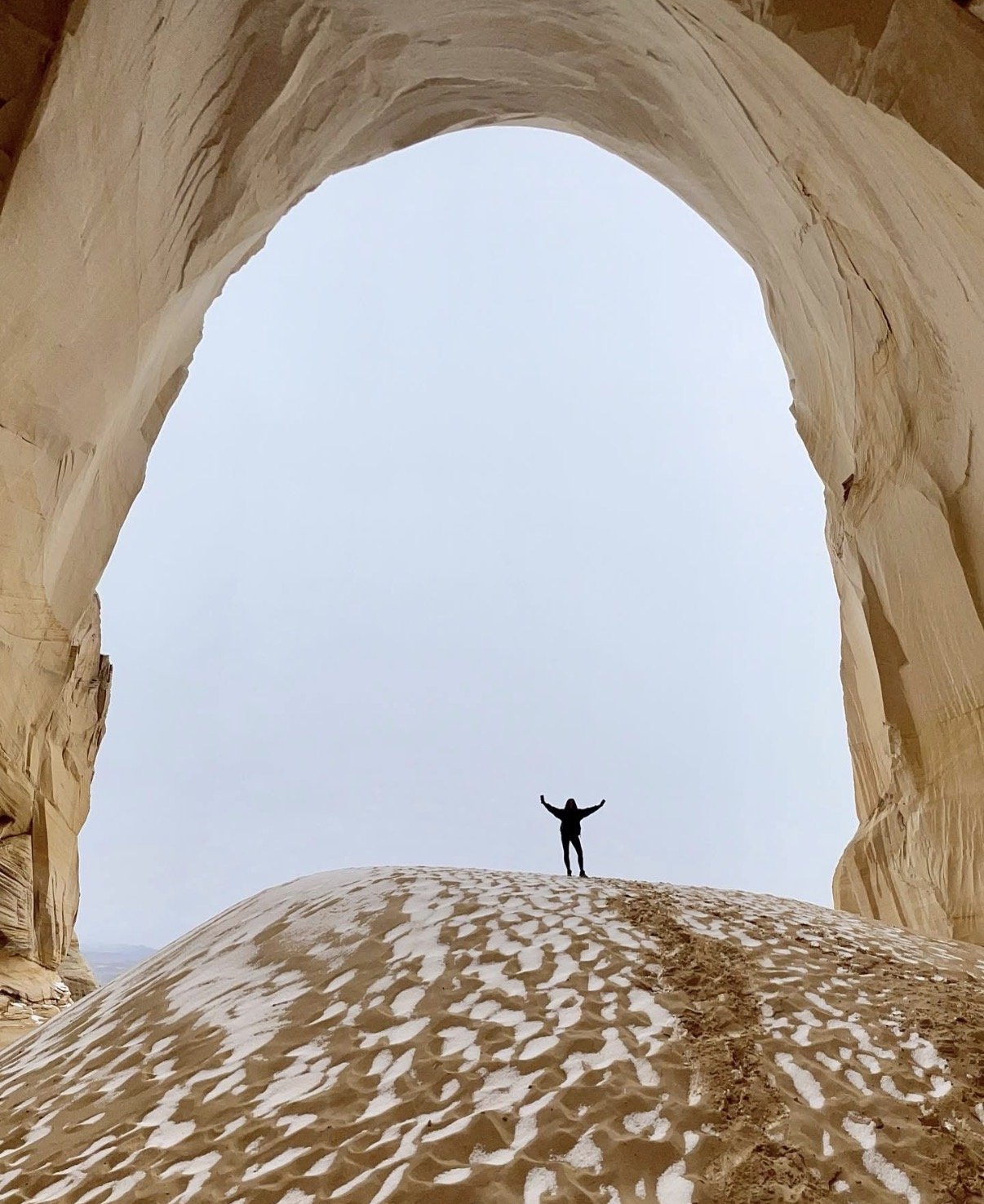
Photo of Zion National Park taken by
Heatherly Stevens, LCSW
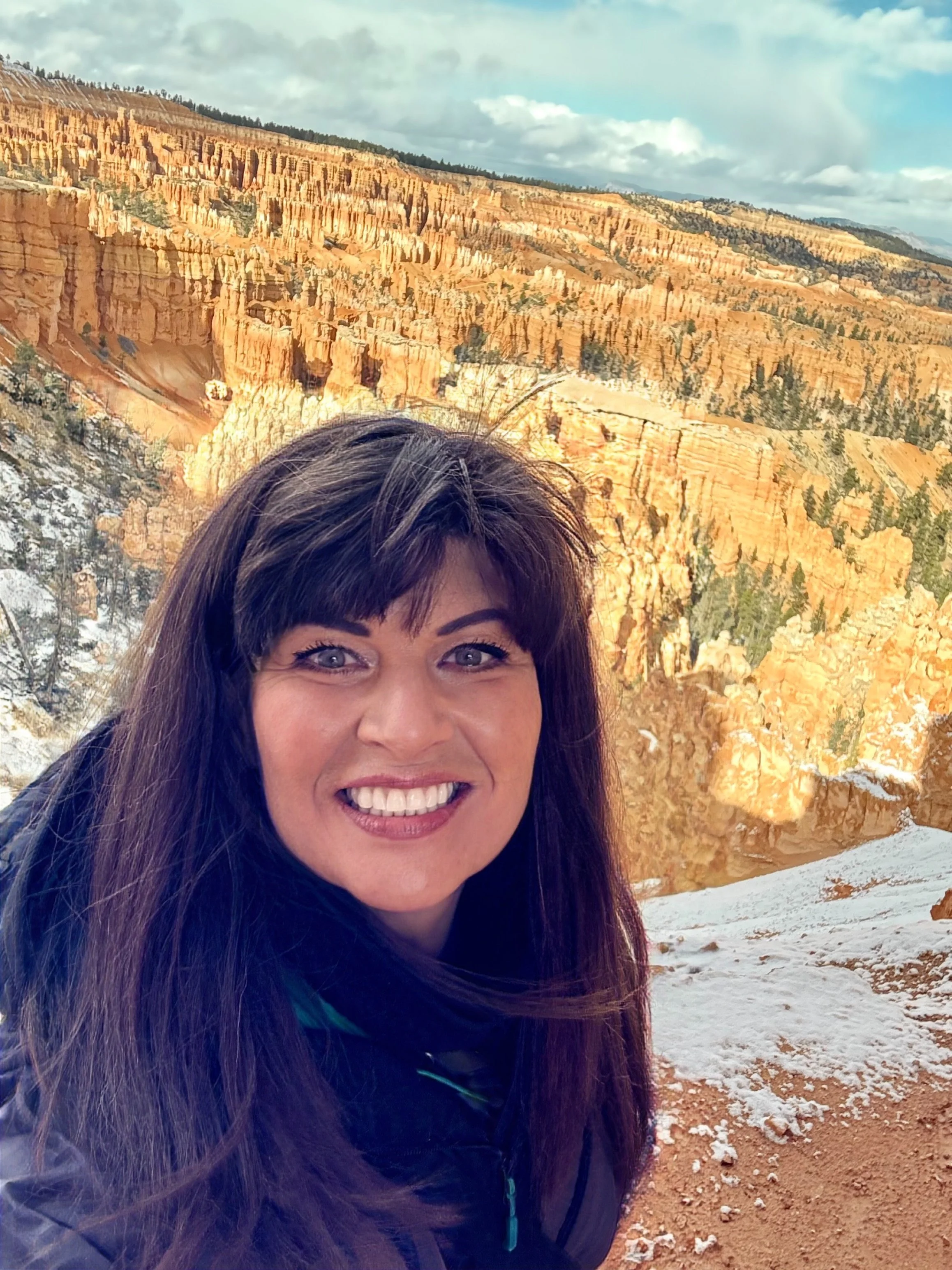
Hello & Welcome
I’m Heatherly A. Stevens, LCSW. I work with professionals and executives who look successful on the outside and feel stuck, fragmented, or like parts of them are running the show.
If you have already done therapy and still feel unseen — or were told you were “too complex” — you are in the right place. I specialize in complex trauma, identity disruption, and dissociation. Sessions are precise, paced for safety, and built for people who need depth without wasted time.
Investment
Individual sessions are $130 for 50 minutes. Private pay. Superbills for out-of-network benefits. HSA accepted.
Start with a free 15-minute consultation.
Text 435-650-1249 and we will see if we are a fit.
Common Challenges in
Trauma Recovery
Common Challenges in Trauma Recovery
One of the hardest parts of healing from trauma is that we often avoid the very things that help us recover. Struggling to make time for yourself is a common symptom of post-traumatic stress — you are not alone.
Common Barriers to Self-Care:
• You resist self-care: Many of us grew up believing that taking time for ourselves is selfish or greedy. This can create shame or a sense of unworthiness.
New perspective: Self-care is not selfish — it is essential for your wellbeing.
• Fear of feeling overwhelmed: You may worry that slowing down or tuning into your body will flood you with painful emotions.
Helpful truth: Healing doesn’t mean constantly confronting your pain. You can choose where to focus your attention and move at your own pace.
• Feeling isolated: Trauma can leave you believing you don’t belong or are unlovable, leading to withdrawal.
Cultivating a Loving Relationship with Yourself
Trauma often leads us to internalize harsh, critical messages about ourselves. These negative beliefs can make it hard to feel deserving of love, kindness, or respect.
Speaking to yourself with kindness and compassion strengthens your nervous system, increases positive emotions, and can reduce symptoms of PTSD, depression, and anxiety.
Creativity Helps You Heal
Creativity — through art, music, singing, dancing, or painting — is a powerful way to feel better. It reduces stress, anxiety, and pain. It helps you release difficult emotions, gain mental clarity, and feel more like yourself again.
Key Benefits:
• Mental & Emotional Health: Lowers stress, reduces anxiety and depression, and gives you a way to express feelings (like grief or anger) without needing words.
• Physical Health: Helps lower blood pressure, eases pain, and distracts from chronic illness.
• Brain Health: Keeps your mind sharp and supports healthy brain function.
• Social Connection: Builds community, reduces loneliness, and gives a sense of purpose.
• Self-Esteem: Helps you feel accomplished, confident, and more in control of your life.
Easy Ways to Get Started:
• Visual Arts: Painting, drawing, coloring, sculpting, knitting or quilting
• Music: Singing, humming, playing instruments, or listening
• Movement: Dancing, walking, swimming, or gentle yoga
• Writing: Journaling, song writing, or poetry
Simple, relaxing, and good for your whole well-being.
Painting of my beloved late dog, Russ 🤍
Painted & photographed by Heatherly Stevens, LCSW