How to Lower Inflammation Naturally: Simple Diet, Lifestyle, Sleep & Hydration Strategies
Chronic inflammation can leave you feeling exhausted, with achy joints, tight lungs, and disrupted sleep — especially after mold exposure or immune challenges like Lyme. The good news is that targeted lifestyle and dietary choices can help calm inflammation without needing complex interventions.
Here’s a practical guide focusing on food choices, daily movement, quality sleep, and proper hydration.
1. Choose Anti-Inflammatory Foods
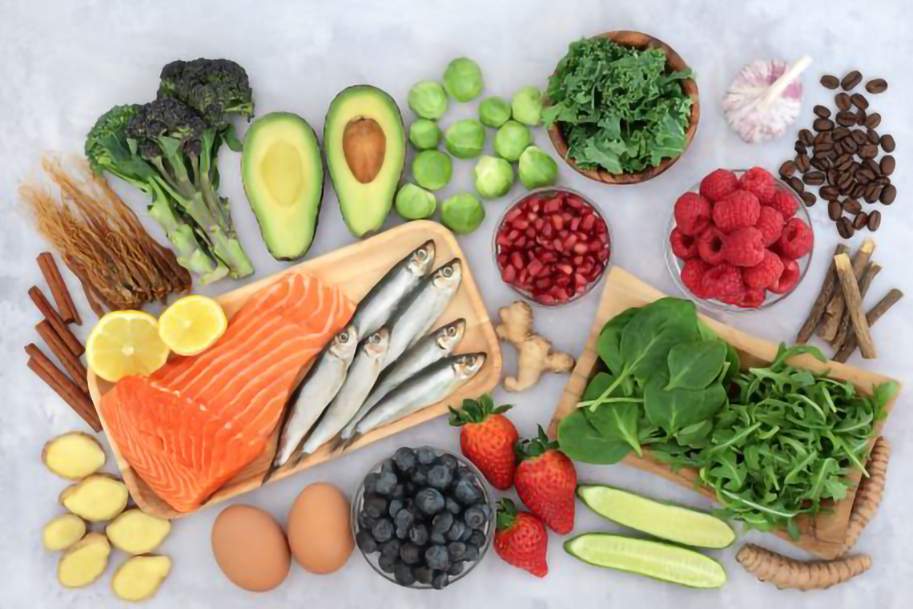
Focus on whole, nutrient-dense foods rich in antioxidants and omega-3s while limiting items that promote inflammation.
Foods to Enjoy:
• Fatty fish such as salmon and sardines
• Berries (blueberries, strawberries, cherries)
• Leafy greens and cruciferous vegetables (spinach, kale, broccoli)
• Avocados, extra virgin olive oil, nuts, and seeds
• Turmeric, ginger, garlic, onions, and fresh herbs
• Green tea
These foods help reduce inflammatory markers and support joint comfort, lung function, and energy levels.
Foods to Limit or Avoid:
• Sugary drinks and sodas
• Fried foods and fast food
• Refined carbs (white bread, pastries, chips)
• Processed meats and excessive sweets
• Highly refined vegetable oils
Helpful Tip: Many people dealing with mold-related issues benefit from a low-amylose approach — minimizing starches like potatoes, grains, corn, and carrots while emphasizing the anti-inflammatory foods above. This can support better breathing and reduced joint stiffness.
2. Move Your Body Regularly
Daily movement is a powerful way to lower inflammation. Your consistent mountain hikes are excellent — even 30–60 minutes of moderate activity most days helps reduce inflammatory cytokines. Combine walking or hiking with gentle strength training or stretching when possible.
3. Prioritize Quality Sleep
Sleep is one of the most effective ways to control inflammation. Poor sleep increases pro-inflammatory compounds and can worsen fatigue and immune dysregulation.
Aim for 7–9 hours of consistent sleep each night. Support better sleep by:
• Going to bed and waking at roughly the same time
• Keeping your bedroom cool, dark, and quiet
• Avoiding screens and heavy meals close to bedtime
• Creating a relaxing wind-down routine
When you sleep well, your body repairs tissues, balances hormones, and clears inflammatory waste more efficiently.
4. Stay Well Hydrated
Dehydration can concentrate toxins and increase inflammation. Proper hydration supports detoxification, joint lubrication, and overall cellular function.
Goal: Drink approximately half your body weight in ounces of water daily (more if you’re active or in a dry climate like Utah). Include hydrating foods such as cucumbers, berries, and leafy greens. Adding electrolytes can be helpful during hikes or hot days.
Simple Daily Framework
• Morning: Start with water or an electrolyte drink, then enjoy an anti-inflammatory breakfast (berries, nuts, greens, olive oil).
• Throughout the Day: Eat colorful, whole-food meals, stay hydrated, and get your daily movement (hikes are perfect).
• Evening: Have a lighter dinner focused on vegetables and healthy fats, then wind down early to protect your sleep.
Small, consistent habits add up. Many people notice gradual improvements in energy, sleep quality, joint comfort, and breathing as inflammation decreases.
Important Note: These strategies are supportive and based on general wellness principles. They are not a substitute for professional medical care, especially with complex conditions involving mold exposure or immune issues. When possible, consult a qualified provider for personalized guidance and testing.
You’re already doing meaningful work by cleaning up your environment and staying active with daily hikes. Keep building on those foundations — one nourishing meal, one good night’s rest, and one glass of water at a time. Your body has a remarkable ability to heal when given consistent support.