Understanding Alcohol Impairment: Key Factors That Influence How Quickly and Strongly Alcohol Affects You
Alcohol is a central nervous system depressant that impacts nearly every part of the body and brain. While the effects vary from person to person, certain physiological and situational factors can significantly speed up absorption, raise blood alcohol concentration (BAC), and intensify impairment. Knowing these factors helps promote safer decisions around drinking.
Factors That Accelerate Alcohol Absorption and Impairment
Several variables determine how quickly alcohol enters the bloodstream and how strongly it affects an individual. Here are some of the most important ones:
• Body Size and Weight: Smaller people generally become impaired more quickly than larger individuals. With less body mass and blood volume, the same amount of alcohol results in a higher concentration in the bloodstream.
• Body Composition (Muscle vs. Fat): For people of the same weight, someone with higher body fat content tends to experience greater impairment than a muscular person. Alcohol is water-soluble and distributes primarily into lean body tissues and water, not fat. Higher fat percentage means less dilution, leading to higher alcohol concentration in the blood and active tissues. A lean, muscular build provides more water and blood volume for dilution.
• Gender Differences: Women often become more impaired than men even at comparable body sizes and weights. Women typically have a higher percentage of body fat and lower total body water content. Additionally, women generally produce less alcohol dehydrogenase (the enzyme that begins breaking down alcohol in the stomach), allowing more alcohol to reach the bloodstream.
• Carbonation in Beverages: Drinks with carbonation (such as champagne, beer, or mixed drinks with soda) speed up alcohol absorption. The carbon dioxide increases pressure in the stomach, pushing alcohol into the small intestine faster, where absorption occurs rapidly.
• Dehydration: A dehydrated person absorbs and feels the effects of alcohol more quickly. Dehydration reduces body water volume, concentrating the alcohol and amplifying its impact. Alcohol itself is dehydrating, which can worsen the cycle.
• Empty Stomach: Drinking on an empty stomach dramatically accelerates absorption. Without food to slow gastric emptying, alcohol passes quickly into the small intestine. Food (especially carbohydrates, fats, or proteins) delays this process and reduces peak BAC.
Other influences like rate of consumption, drink strength, medications, and individual metabolism also play roles, but the factors above are among the most consistent physiological variables.
How Alcohol Affects the Brain and Body
Alcohol depresses brain and nervous system activity, leading to a wide range of effects that can persist for several hours even after drinking stops. Initial effects may feel relaxing, but they quickly progress to impairment.
Common effects include:
• Decreased blood pressure and slowed pulse and breathing, contributing to feelings of lethargy or sedation.
• In larger doses, severe slowing of vital functions, potentially leading to respiratory depression, heart rhythm issues, or in extreme cases, cardiac or respiratory arrest.
• Impacts on cognition and perception: confusion, short-term memory loss, blurry vision, hallucinations (in heavy intoxication), and loss of consciousness.
• Motor skill degradation: loss of precise movements, slowed reflexes, poor coordination, and impaired balance.
• Behavioral changes: reduced judgment (which can occur after just one drink), increased recklessness, carelessness, or actions a person would never take while sober.
These changes happen because alcohol interferes with neurotransmitters and communication pathways in the brain, affecting areas responsible for coordination, memory, decision-making, and basic life functions.
What Happens at a BAC of 0.08%
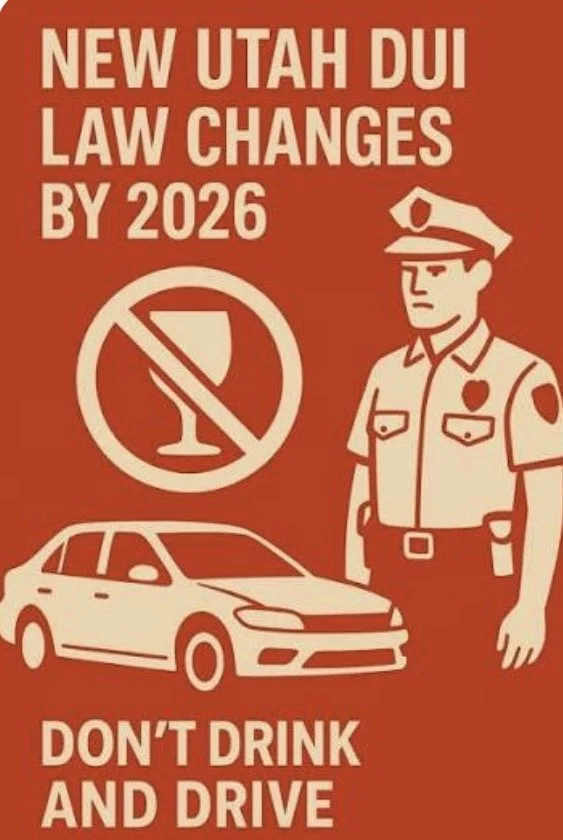
A blood alcohol concentration of 0.08% is the legal limit for driving in most U.S. states (0.05% in Utah). At this level, significant impairment occurs even if someone doesn’t “feel” extremely drunk. Typical effects include:
• Difficulty concentrating
• Short-term memory loss
• Impaired speed control and reaction time
• Reduced information processing
• Impaired perception and judgment
• Slurred speech
• Poor coordination and loss of balance
• Slowed thinking
• Possible nausea or vomiting
At 0.08%, drivers face substantially higher crash risk due to these deficits. Effects on balance, speech, vision, and self-control are noticeable, and judgment is reliably impaired.
Why This Matters: Lasting and Serious Risks
Alcohol’s depressant effects don’t vanish the moment drinking stops. Hangovers, reduced cognitive performance, and physical sluggishness can linger. Over time or with heavy intake, risks escalate to include weakened heart muscle, irregular heartbeat, high blood pressure, and long-term brain changes affecting memory and mood.
Impaired judgment after even small amounts can lead to risky decisions with serious consequences—such as driving, unsafe sexual behavior, or accidents.
Key Takeaways for Safer Choices
Everyone processes alcohol differently, but understanding these factors empowers better decisions:
• Eat a substantial meal before or while drinking to slow absorption.
• Stay hydrated with water between alcoholic drinks.
• Be mindful of carbonated mixers if you want to moderate effects.
• Recognize that body size, composition, and gender influence your personal response—standard drink guidelines are general, not one-size-fits-all.
• Never drink and drive; plan safe transportation in advance.
If you or someone you know struggles with alcohol use, resources like the National Institute on Alcohol Abuse and Alcoholism (NIAAA) or local support services can help.
Moderation and awareness are the best tools for minimizing harm. Your body—and those around you—will thank you for it.